
 Can a sound we enjoy still be too loud for our ears?
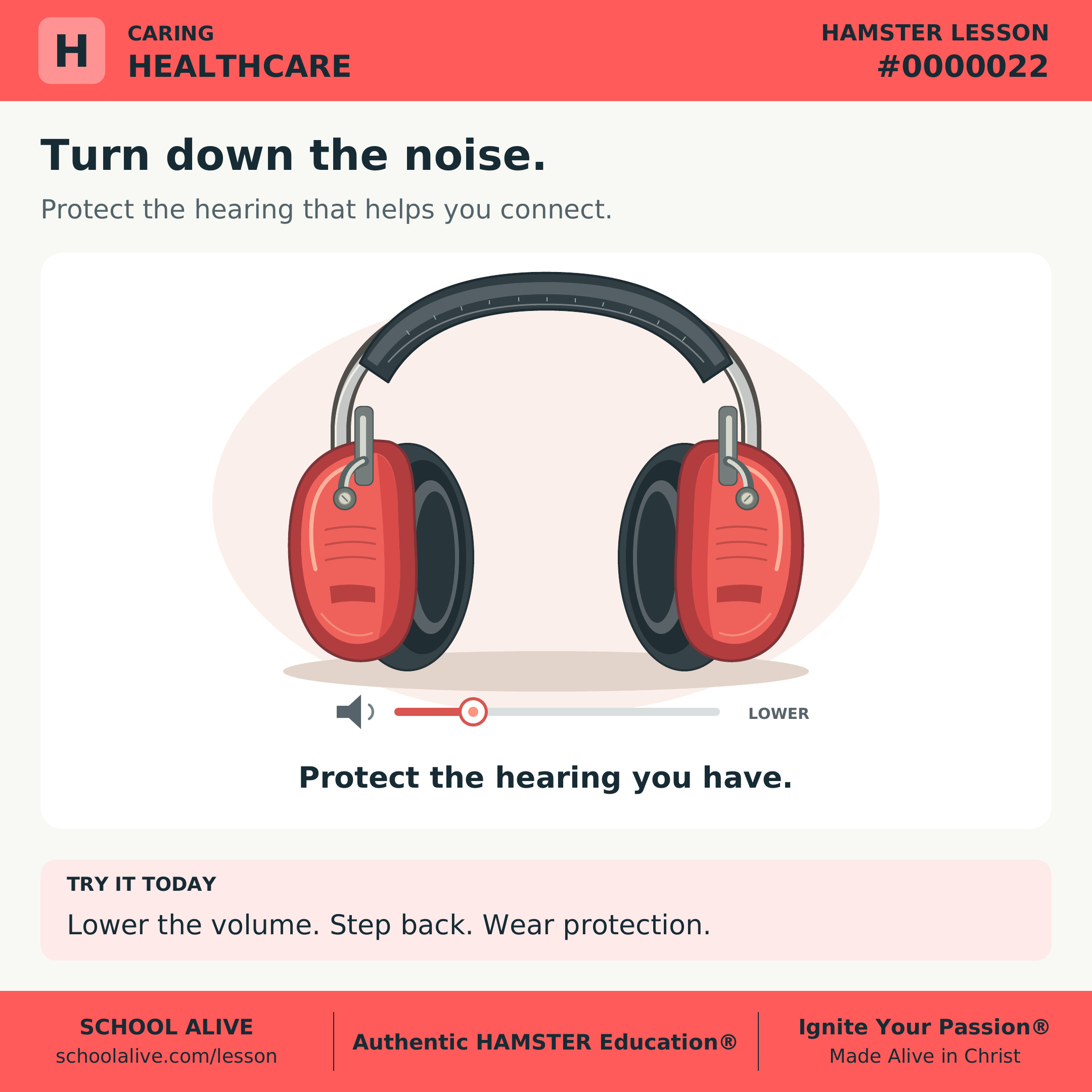
 Yes. Hearing risk depends on sound level and exposure time, not whether we like the sound. Lower the volume, move away from loud sources, and use suitable hearing protection when noise cannot be avoided.
 In 1972, NIOSH published early recommendations on workplace noise. Its 1998 revision incorporated further research. Hearing care grew through observation, measurement, and efforts to prevent damage before people noticed a problem.
 At a gathering, the speaker beside your table makes conversation difficult. Ask to lower the volume or move the conversation farther away. Turning up another device to compete with the speaker adds more sound.
 Familiar does not mean harmless. Loud sound can affect hearing gradually, and a person may not notice the change at first. Prevention begins with changing exposure, not proving how much noise we can tolerate.
 Hearing helps us enjoy music, understand instructions, and notice a person asking for help. Reducing unnecessary noise in a shared space is a practical way to care for our neighbors as well as ourselves.
 Choose one sound you control today, such as music or television, and lower it before your next listening session. If your next activity will be loud, plan a quieter position or appropriate hearing protection before it begins.
- MondayToday
- TuesdayToday
- WednesdayToday
- ThursdayToday
- FridayToday
- SaturdayToday
- SundayToday
Authentic HAMSTER Education®
Daily HAMSTER Lesson
One idea. Seven steps. Put learning into practice.
Today’s lesson
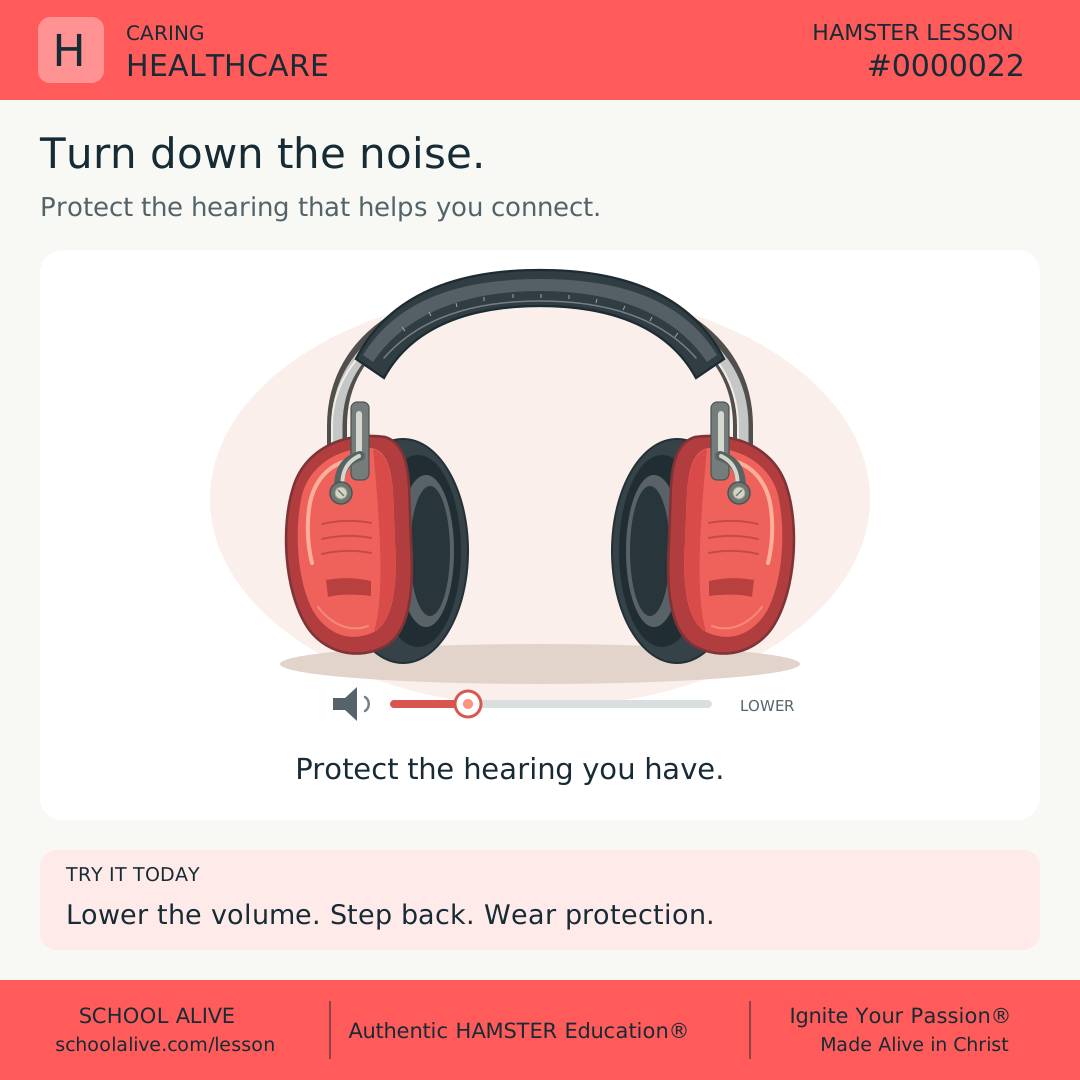
Turn down the noise.
HCaring HealthcareRecognize a noisy situation and choose a practical way to reduce exposure.
Hearing care · Reduce loud sound, plan distance, and use suitable protection.
Question
Can a sound we enjoy still be too loud for our ears?
Answer
Yes. Hearing risk depends on sound level and exposure time, not whether we like the sound. Lower the volume, move away from loud sources, and use suitable hearing protection when noise cannot be avoided.
History
In 1972, NIOSH published early recommendations on workplace noise. Its 1998 revision incorporated further research. Hearing care grew through observation, measurement, and efforts to prevent damage before people noticed a problem.
Example
At a gathering, the speaker beside your table makes conversation difficult. Ask to lower the volume or move the conversation farther away. Turning up another device to compete with the speaker adds more sound.
Insight
Familiar does not mean harmless. Loud sound can affect hearing gradually, and a person may not notice the change at first. Prevention begins with changing exposure, not proving how much noise we can tolerate.
Connection
Hearing helps us enjoy music, understand instructions, and notice a person asking for help. Reducing unnecessary noise in a shared space is a practical way to care for our neighbors as well as ourselves.
Challenge
Choose one sound you control today, such as music or television, and lower it before your next listening session. If your next activity will be loud, plan a quieter position or appropriate hearing protection before it begins.
Dive deeper
Context
Healthcare includes protecting abilities we rely on every day. This lesson concerns prevention of noise-related harm, not a test of anyone’s hearing. A quieter room can also make conversation more welcoming. People with hearing loss deserve patience and clear communication; their hearing ability is not a measure of attention or character.
Understand the idea
Sound reaches the inner ear through a sequence of vibrations. Very intense sound or repeated loud exposure can damage its sensitive structures. The amount of sound and the time exposed both matter. Enjoying music does not remove that risk, and becoming accustomed to a noisy place does not show that it is safe.
Start with the source and the setting. Can unnecessary sound be turned down or stopped? Can a conversation or break move farther from the noise? These choices can reduce exposure for more than one person. At work, follow the site’s hearing-protection procedures and involve the person responsible for safety rather than improvising changes to equipment.
Protective earmuffs and earplugs reduce sound reaching the ears when selected and worn correctly. Fit matters: earmuff cushions need a seal around the ears. Choose equipment designed for hearing protection and follow its instructions. A comfortable, suitable protector is more useful when it is ready before a loud activity begins. Ask a qualified hearing professional for help if you are unsure about fit or selection.
Plan a quieter choice
- Think of three ordinary settings you already know: a meal with background music, a public event, and a task involving powered equipment. Do not create loud noise for this activity.
- For each setting, name who controls the sound and who else is nearby. Identify a choice that reduces noise at its source, increases distance, or reduces time near it.
- Choose one realistic change you can make today. For example: “Before our meal, I will lower the music so we can talk comfortably.” For an unavoidable loud task, identify the appropriate hearing protection and review its instructions beforehand.
- Afterward, discuss whether the change made conversation or the setting easier to manage. This reflection is not a hearing test or proof that a sound level is safe. Keep the useful change for next time.
Discuss together
- Why might people accept unnecessary noise when a quieter choice is available?
- How can we ask for lower volume courteously while respecting someone who enjoys the music?
Introducing Microlessons
One idea. Seven steps. A practical discovery.
Begin with a question and a clear answer. Explore the history, an example, and a deeper insight. Connect the idea to everyday life, then put it into practice.
Read on your own or talk it through together. Each prepared edition includes a shareable image, concise text, and a one-page PDF.
How the 7 steps work
Each lesson moves from curiosity to understanding to practical action. Here is what each step contributes.
Question
Opens a question worth exploring and gives the lesson a clear purpose.
Answer
Gives a clear starting point that the rest of the lesson helps us understand.
History
Shows how people encountered the idea and how their discoveries shaped what we know.
Example
Makes the idea concrete through a situation, demonstration, or worked example.
Insight
Draws out the deeper principle so we understand why the idea matters.
Connection
Connects the idea to other disciplines, our faith, and everyday life.
Challenge
Turns understanding into action through something to try, practice, or explain.
Explore the lessons
Return to a lesson, try its challenge, or open its printable PDF.



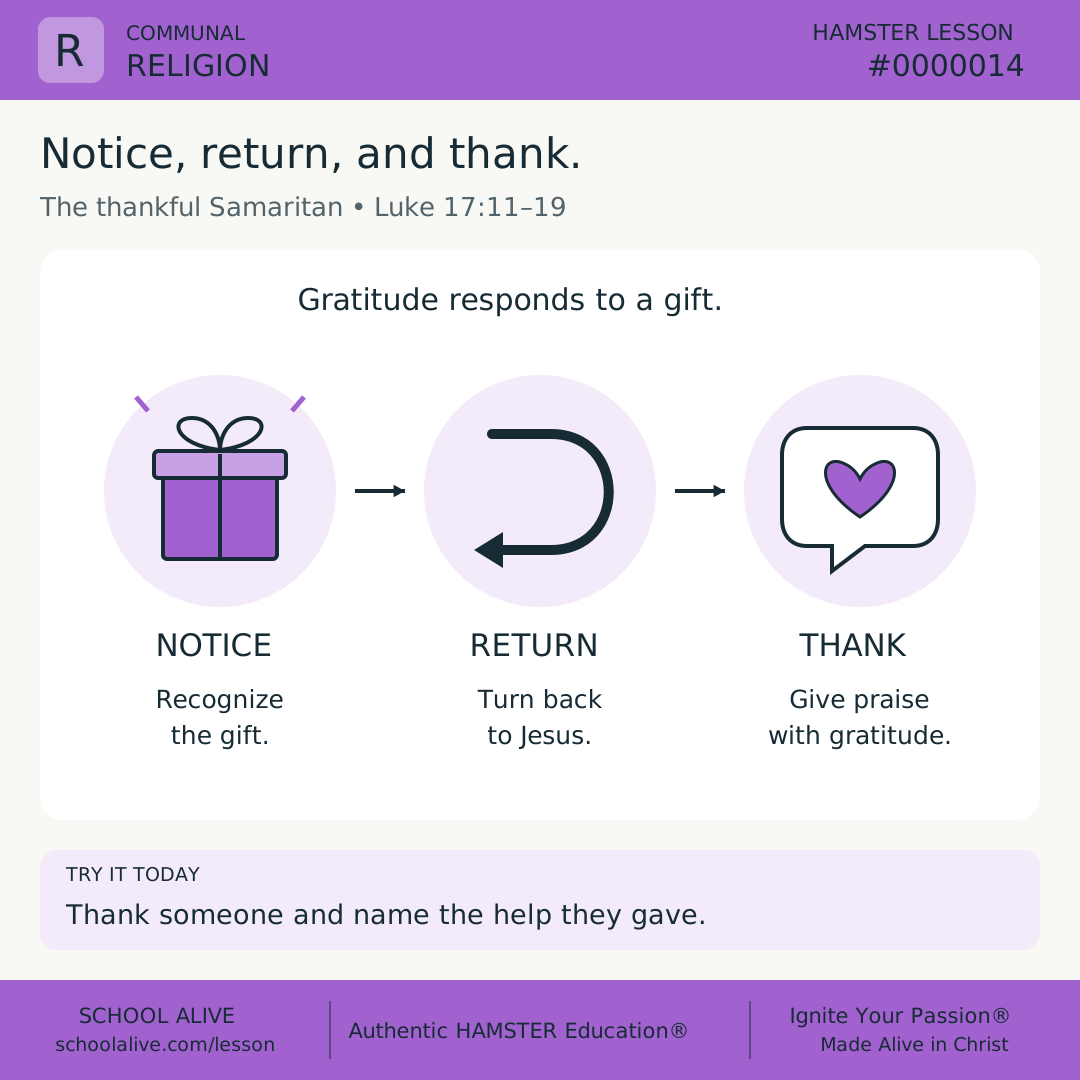
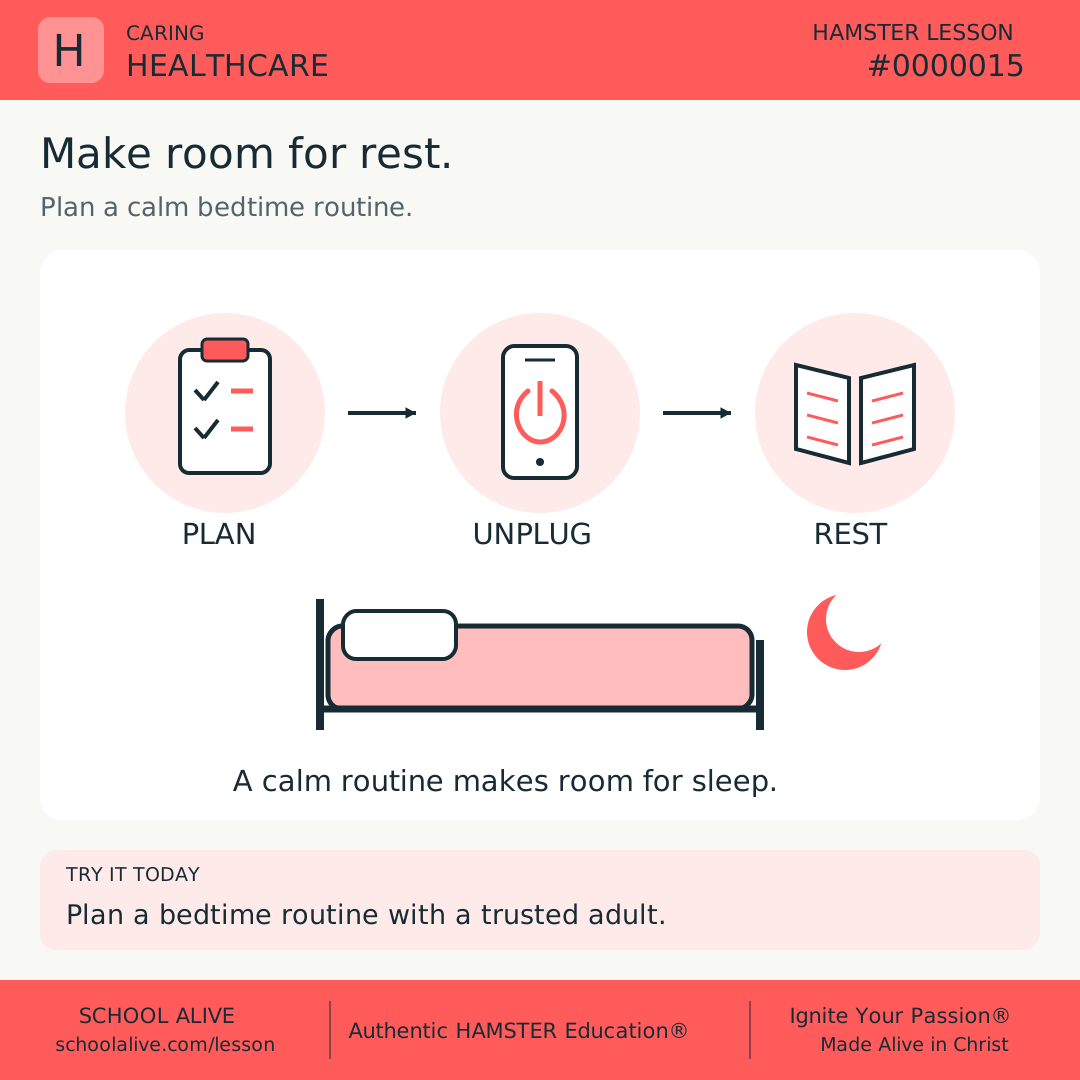
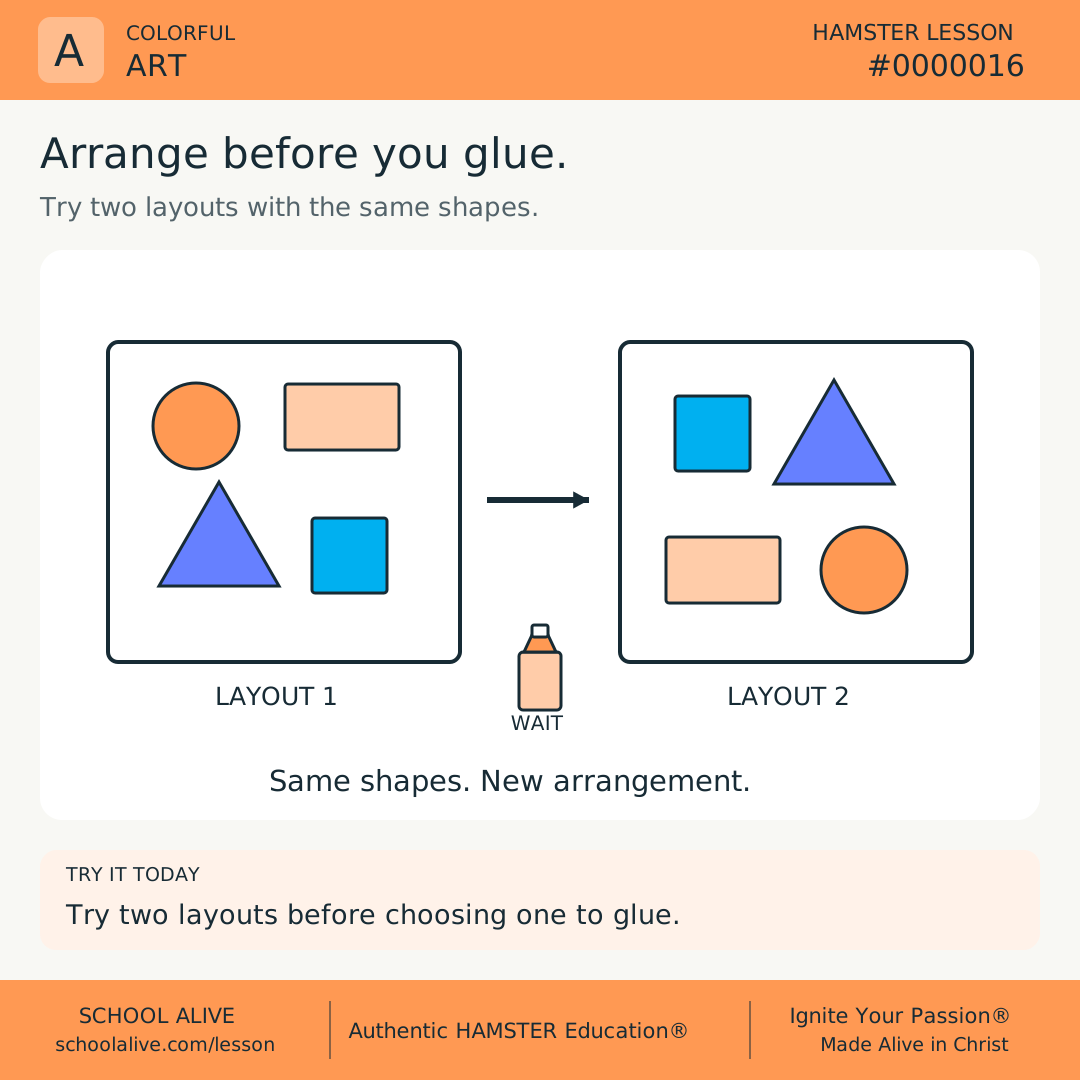

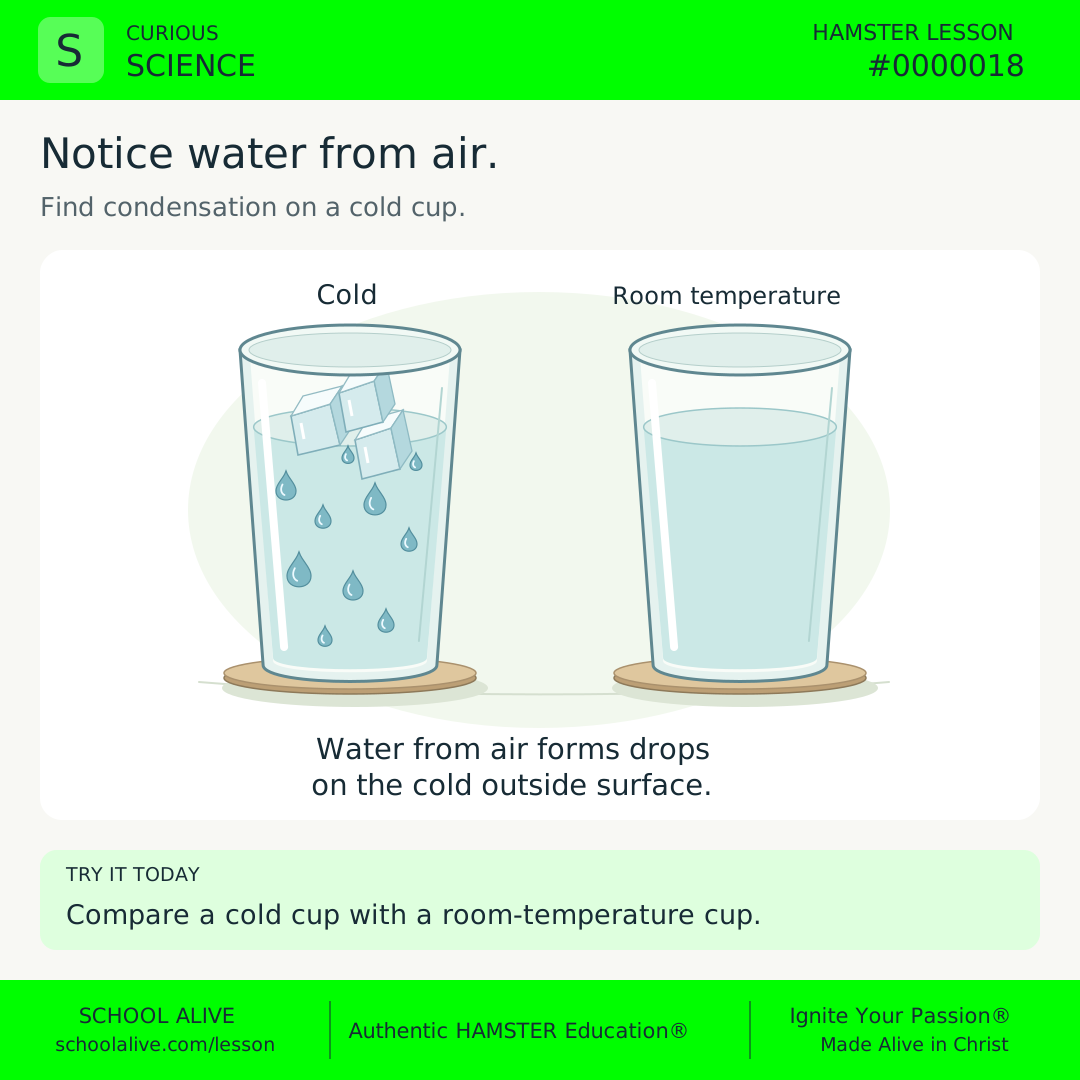
No lessons match. Try another word or discipline.
Every lesson keeps its number, complete text, original image, and printable PDF.
Introducing Microlessons
One idea. Seven steps. A practical discovery.
Begin with a question and a clear answer. Explore the history, an example, and a deeper insight. Connect the idea to everyday life, then put it into practice.
Read on your own or talk it through together. Each prepared edition includes a shareable image, concise text, and a one-page PDF.